



Blog
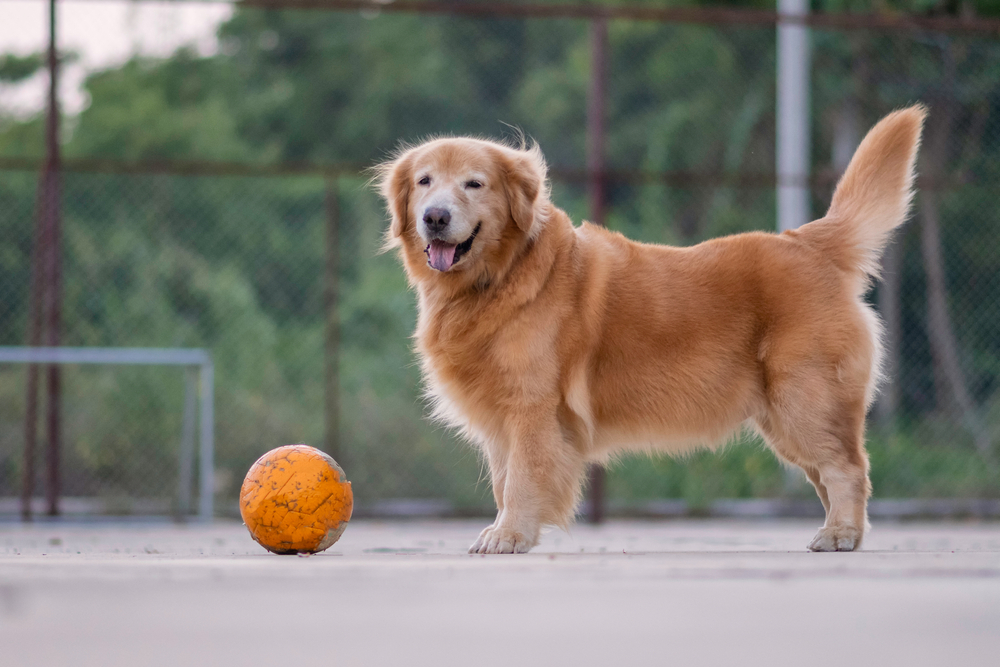
Regular exercise is one of the most important - and often overlooked - parts of keeping pets healthy and happy. Just like people, pets need physical activity to maintain a healthy weight, support joint and heart health, reduce stress, and prevent behavior problems. But how much exercise is enough? The answer depends on your pet’s species, age, breed, health, and personality.
Below is a practical guide to help you understand how often your pet needs to exercise and how to tailor activity to their individual needs.
Why Exercise Matters for Pets
Consistent exercise helps pets:
Maintain a healthy weight and prevent obesity-related conditions
Support heart, lung, and joint health
Reduce anxiety, boredom, and destructive behaviors
Improve mental stimulation and overall quality of life
Lack of exercise can contribute to weight gain, arthritis discomfort, diabetes, and behavioral issues such as excessive barking, chewing, or restlessness.
How Much Exercise Do Dogs Need?
Most dogs benefit from daily exercise, but the amount varies widely.
General guidelines:
High-energy breeds (e.g., working or sporting dogs): 1–2 hours per day
Moderate-energy breeds: 45–60 minutes per day
Low-energy or toy breeds: 20–30 minutes per day
Exercise can include walks, playtime, training sessions, running, hiking, or interactive games like fetch. Mental stimulation - such as puzzle toys or obedience training - also counts and is especially important for intelligent or working breeds.
Puppies need frequent, short bursts of activity rather than long sessions, while senior dogs may need gentler, low-impact exercise like short walks or swimming.
How Much Exercise Do Cats Need?
Cats may not go on walks, but they still need daily activity to stay healthy.
Aim for two to three short play sessions per day, each lasting 5–15 minutes
Use toys that encourage natural hunting behaviors, such as wand toys, laser pointers (used safely), or treat puzzles
Indoor cats especially rely on structured play to prevent weight gain and boredom. Older cats may be less active but still benefit from gentle play and enrichment.
Exercise Needs for Other Pets
Small mammals (rabbits, guinea pigs, hamsters):
Daily supervised time outside their enclosure
Space to run, explore, and forage safely
Birds:
Daily time outside the cage in a safe, enclosed area
Opportunities for flying, climbing, and interactive play
Reptiles:
Exercise looks different but includes adequate enclosure space, climbing opportunities, and environmental enrichment appropriate for the species
Adjusting Exercise for Age and Health
Your pet’s exercise routine should evolve over time:
Puppies and kittens: Short, frequent play sessions with rest in between
Adult pets: Consistent daily activity suited to energy level
Senior pets: Low-impact, shorter sessions focused on mobility and comfort
Pets with arthritis, heart disease, obesity, or other medical conditions may need modified exercise plans. Always consult your veterinarian before starting or changing an exercise routine.
Signs Your Pet May Need More (or Less) Exercise
They may need more exercise if they:
Gain weight easily
Seem restless or destructive
Have excess energy or attention-seeking behaviors
They may need less or gentler exercise if they:
Tire quickly
Limp, lag behind, or seem stiff after activity
Show signs of pain or breathing difficulty
Schedule Your Pet’s Wellness Exam Today
There is no one-size-fits-all answer to pet exercise. The right amount depends on your pet’s species, age, breed, and overall health. Regular, appropriate activity not only keeps your pet physically fit but also supports mental well-being and strengthens the bond you share.
If you’re unsure how much exercise is right for your pet or need help creating a safe, effective routine, the veterinary team at Bergen County Veterinary Center is ready to assist. Visit our office in Waldwick, New Jersey, or call (201) 205-2500 to book an appointment today.
| Monday | 9:00 AM to 7:00 PM |
| Tuesday | 9:00 AM to 7:00 PM |
| Wednesday | 9:00 AM to 7:00 PM |
| Thursday | 9:00 AM to 7:00 PM |
| Friday | 9:00 AM to 6:00 PM |
| Saturday | 9:00 AM to 3:00 PM |
| Sunday | Closed |


2026 © Bergen County Veterinary Center - All Rights Reserved Powered by: 
