

Blog
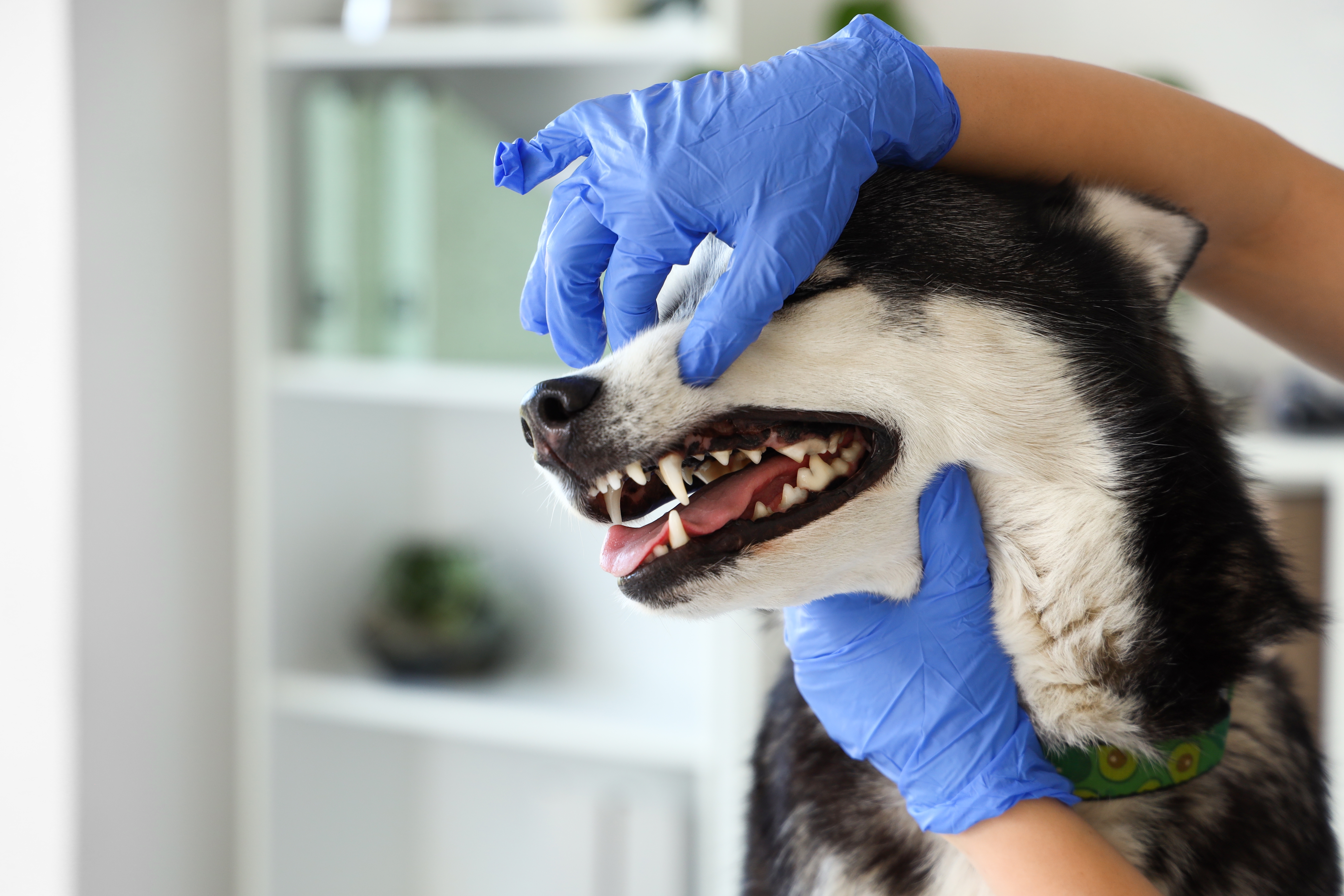
Bad breath, tartar buildup, and red gums can be early signs that your dog or cat needs professional dental care. Because pets often continue eating despite oral discomfort, dental disease may progress without obvious warning. A professional pet teeth cleaning gives our veterinary team an opportunity to remove buildup, examine each tooth, and identify problems that may be hidden beneath the gumline.
At Bergen County Veterinary Center, we provide dentistry and digital dental radiography for dogs and cats in Waldwick. These services allow us to evaluate more than the visible surface of your pet’s teeth and create a treatment plan based on their individual oral health needs.
Why a Visual Dental Exam Is Not Enough
A large portion of each tooth sits below the gumline. This means a tooth can appear normal above the gums while infection, bone loss, root damage, or another concern is developing underneath.
Veterinary dental radiography uses digital X-rays to produce detailed images of the tooth roots, surrounding bone, and structures that cannot be examined directly. These images help us determine whether a tooth is healthy, requires monitoring, or should be treated or extracted.
Dental radiographs can also provide important information when a pet has a broken tooth, loose tooth, unusual swelling, missing tooth, or persistent bad breath.
What Happens Before Your Pet’s Teeth Cleaning?
Professional dog and cat teeth cleaning is performed under general anesthesia. Anesthesia allows our team to examine and clean the entire mouth safely without causing unnecessary fear, movement, or discomfort.
Before the procedure, your veterinarian will review your pet’s medical history and perform a physical examination. Pre-anesthetic blood testing may also be recommended to assess organ function and identify concerns that could affect anesthesia. Your pet is carefully monitored during the dental procedure, just as they would be during other surgical care.
Pet owners should follow all fasting and medication instructions provided before the appointment. These directions may vary depending on your pet’s age, health, and current medications.
What to Expect During Dental Radiography and Cleaning
Although every patient’s treatment plan is different, a professional pet dental procedure may include:
- A complete examination of the teeth, gums, and oral tissues
- Digital dental radiographs to evaluate tooth roots and supporting bone
- Scaling above and below the gumline to remove plaque and tartar
- Polishing to smooth tooth surfaces after cleaning
- Careful evaluation of loose, fractured, infected, or damaged teeth
- Treatment or extraction of unhealthy teeth when medically necessary
- Anesthesia monitoring and pain management throughout the procedure
If dental radiographs reveal a problem that was not visible during the initial examination, our team can explain the findings and recommend the appropriate treatment. Addressing diseased teeth can relieve discomfort and help prevent infection from progressing.
Why Dogs and Cats Need Different Dental Plans
Dental needs vary based on species, age, breed, jaw structure, health history, and home care. Smaller dogs may develop heavy tartar buildup or crowded teeth, while cats can experience painful conditions that are difficult to recognize without radiographs.
Some pets need professional cleaning more frequently than others. During your pet’s dental evaluation in Waldwick, we can assess their current condition and recommend an appropriate schedule rather than relying on a one-size-fits-all timeline.
Supporting Oral Health After the Procedure
Professional cleaning removes existing plaque and tartar, but new buildup begins forming afterward. Consistent home care can help protect the results of your pet’s dental procedure.
Daily brushing with pet-safe toothpaste is often the most effective option. Veterinary-approved dental diets, treats, rinses, or chews may also be helpful for certain pets. Human toothpaste should never be used because its ingredients may be unsafe if swallowed.
Watch for changes such as worsening breath, bleeding gums, drooling, reduced appetite, pawing at the mouth, or difficulty chewing. Scheduling an examination when these symptoms appear can help your pet receive care before dental disease becomes more advanced.
Schedule your dog or cat’s dental evaluation with Bergen County Veterinary Center at 120 Hopper Avenue, Waldwick, NJ 07463, or call 201-447-4444.
| Monday | 9:00 AM to 7:00 PM |
| Tuesday | 9:00 AM to 7:00 PM |
| Wednesday | 9:00 AM to 7:00 PM |
| Thursday | 9:00 AM to 7:00 PM |
| Friday | 9:00 AM to 6:00 PM |
| Saturday | 9:00 AM to 3:00 PM |
| Sunday | Closed |


2026 © Bergen County Veterinary Center - All Rights Reserved Powered by: 
