


Blog
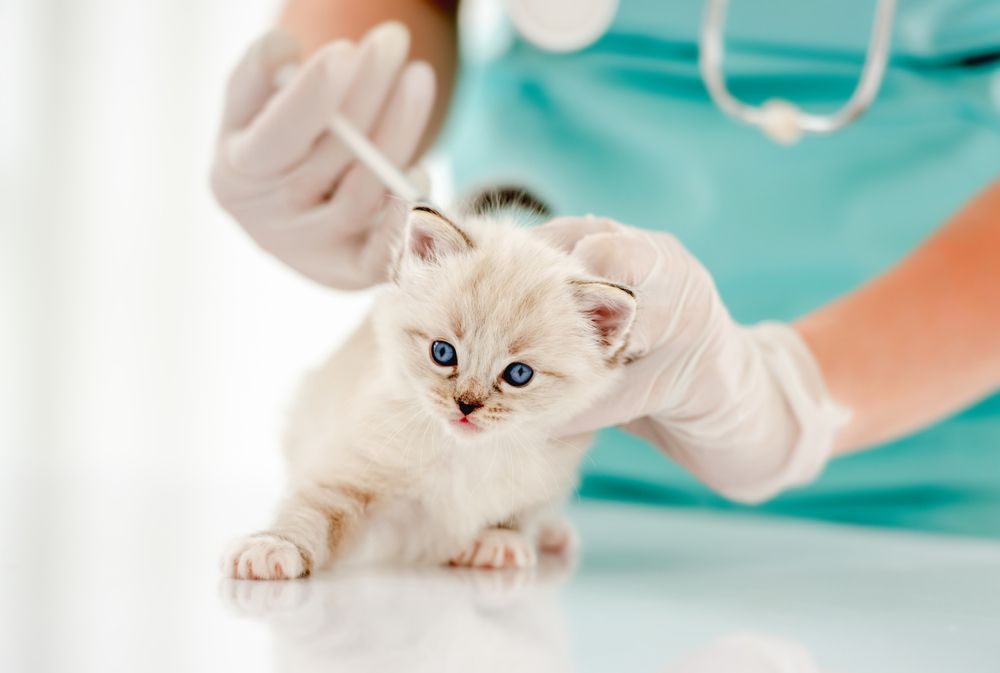
Cats are incredibly skilled at hiding discomfort. This instinct, rooted in survival behavior, often means that signs of illness go unnoticed until a condition has progressed. For that reason, routine pet wellness care plays a vital role in protecting your cat’s health. Early detection allows for more effective treatment, improved outcomes, and often lower overall medical costs.
Dental Disease: A Hidden Source of Pain
Dental disease is one of the most common health issues in cats, particularly after the age of three. Plaque and tartar buildup can lead to gingivitis, periodontal disease, infection, and even organ complications if bacteria enter the bloodstream. Because many cats continue eating despite oral pain, problems may go undetected at home. Subtle signs such as bad breath, drooling, red gums, or difficulty chewing should never be ignored. Routine wellness exams allow veterinarians to evaluate oral health and recommend preventive cleanings before serious complications develop.
Kidney Disease: Subtle but Serious
Chronic kidney disease frequently affects senior cats and often develops gradually. Early symptoms can be mild, including increased thirst, more frequent urination, slight weight loss, or decreased appetite. These changes may seem minor but can signal underlying kidney dysfunction. Regular bloodwork and diagnostic screening during wellness visits can detect kidney changes early, allowing for dietary adjustments and supportive care that significantly improve quality of life.
Obesity: A Growing Concern
Obesity is increasingly common among indoor cats and can contribute to diabetes, arthritis, heart disease, and a shortened lifespan. Weight gain often happens gradually, making it difficult for owners to notice. Cats may become less active, struggle to groom themselves properly, or have difficulty jumping onto furniture. During wellness appointments, veterinarians assess body condition and provide guidance on nutrition and activity. Early intervention with portion control and environmental enrichment can prevent long-term health complications.
Diabetes: Recognizing the Early Signs
Feline diabetes can affect cats of various ages but is more common in overweight individuals. Early signs may include increased thirst, frequent urination, weight loss despite a good appetite, and lethargy. Because these symptoms overlap with other conditions, routine wellness screenings are essential for accurate diagnosis. When detected early, diabetes can often be successfully managed with insulin therapy and dietary changes, allowing many cats to maintain a good quality of life.
Hyperthyroidism: Common in Older Cats
Hyperthyroidism is frequently diagnosed in middle-aged and senior cats. This condition occurs when the thyroid gland produces excessive hormones, speeding up the body’s metabolism. Affected cats may lose weight despite eating more, appear unusually hyperactive, drink more water, vomit, or develop an unkempt coat. Routine blood testing during wellness visits can identify thyroid imbalances early, enabling prompt treatment and reducing the risk of heart and other organ complications.
Urinary Tract Issues: A Potential Emergency
Feline lower urinary tract disease (FLUTD) can cause discomfort and may become life-threatening, particularly in male cats if a urinary blockage occurs. Early warning signs include frequent trips to the litter box, straining, blood in the urine, urinating outside the litter box, or vocalizing while urinating. Immediate veterinary attention is critical if these symptoms appear. Routine wellness visits help monitor urinary health and identify risk factors before emergencies arise.
The Role of Routine Wellness Care
Cats age more rapidly than humans, and significant health changes can occur within a short period of time. Regular wellness exams allow veterinarians to perform thorough physical evaluations, monitor weight trends, conduct bloodwork and diagnostic testing, update vaccinations, and recommend appropriate preventive care. Rather than waiting for visible illness, wellness care focuses on identifying subtle changes before they become serious medical concerns.
Schedule Your Cat’s Checkup Today
Because cats naturally conceal discomfort, early signs of illness can be easy to miss. Consistent wellness care is the most effective way to detect common health problems early and protect your cat’s long-term health. Through routine examinations, diagnostic screening, and preventive care, many conditions can be managed or even prevented altogether.
Contact Bergen County Veterinary Center to schedule a wellness exam and keep your cat healthy for years to come. Visit our office in Waldwick, New Jersey, or call (201) 205-2500 to book an appointment today.
| Monday | 9:00 AM to 7:00 PM |
| Tuesday | 9:00 AM to 7:00 PM |
| Wednesday | 9:00 AM to 7:00 PM |
| Thursday | 9:00 AM to 7:00 PM |
| Friday | 9:00 AM to 6:00 PM |
| Saturday | 9:00 AM to 3:00 PM |
| Sunday | Closed |


2026 © Bergen County Veterinary Center - All Rights Reserved Powered by: 
