


Blog
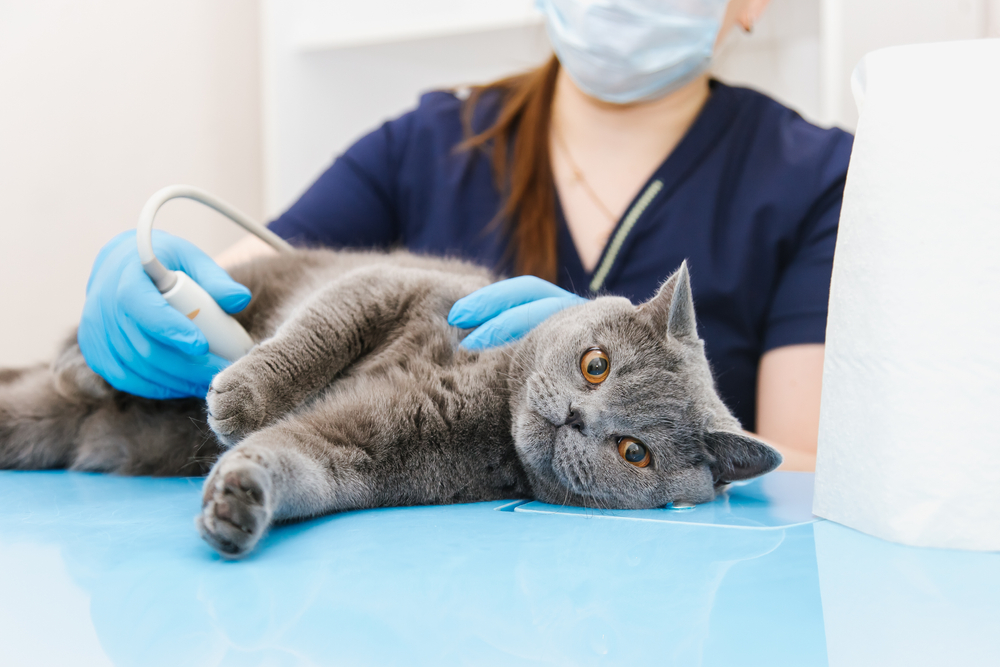
When a pet is experiencing unexplained digestive problems, abdominal discomfort, appetite changes, or abnormal laboratory results, we may recommend diagnostic imaging to get a clearer picture of what is happening internally. An abdominal ultrasound allows us to examine many of your pet's organs in real time without surgery.
At Bergen County Veterinary Center in Waldwick, NJ, ultrasound is one of the diagnostic tools we can use to investigate symptoms and help determine appropriate next steps for your dog or cat.
What Is an Abdominal Ultrasound for Pets?
An abdominal ultrasound uses high-frequency sound waves to create images of structures inside your pet's abdomen. Unlike an X-ray, which is particularly useful for viewing bones and certain changes in the chest and abdomen, ultrasound provides detailed views of many soft tissues and internal organs.
The procedure is non-invasive and generally well tolerated. Your pet may need to have some abdominal fur clipped so the ultrasound probe can make proper contact with the skin. Depending on your pet's comfort level and the type of examination needed, sedation may occasionally be recommended.
What Can a Pet Ultrasound Detect?
A veterinary abdominal ultrasound can help us evaluate the liver, kidneys, spleen, bladder, stomach, intestines, pancreas, adrenal glands, and other abdominal structures. It can identify changes that may not be apparent during a physical examination alone.
We may use an abdominal ultrasound to look for:
• Abnormal organ size, shape, or texture
• Masses, nodules, cysts, or other unusual growths
• Bladder or kidney stones
• Fluid within the abdominal cavity
• Changes involving the stomach or intestinal tract
• Liver, kidney, spleen, or pancreatic abnormalities
• Signs of inflammation or obstruction
• Certain reproductive system abnormalities
Ultrasound findings are interpreted along with your pet's symptoms, physical examination, medical history, bloodwork, X-rays, and other diagnostic testing. An ultrasound does not always provide a final diagnosis on its own, but it can give us valuable information and help determine whether additional testing is necessary.
When Might We Recommend an Abdominal Ultrasound?
There are many reasons we may recommend an abdominal ultrasound for a pet in Waldwick. Persistent vomiting or diarrhea, unexplained weight loss, reduced appetite, abdominal swelling, changes in urination, or ongoing abdominal pain may require a closer look.
We may also recommend ultrasound when bloodwork shows abnormal liver or kidney values or when an X-ray identifies an area that needs further evaluation. For pets with chronic health conditions, ultrasound can sometimes be used to monitor changes over time. It may also help guide procedures such as obtaining samples from certain organs or abnormal areas when further laboratory evaluation is needed.
Ultrasound as Part of Your Pet's Diagnostic Care
Our goal is to use diagnostic testing thoughtfully so we can better understand what is causing your pet's symptoms. Bergen County Veterinary Center offers ultrasound along with digital X-ray, laboratory testing, endoscopy, and other veterinary services to help us evaluate a wide range of medical concerns.
If your dog or cat has ongoing symptoms, schedule an abdominal ultrasound with Bergen County Veterinary Center. Visit our office in Waldwick, NJ, or call 201-447-4444 to book an appointment today.
| Monday | 9:00 AM to 7:00 PM |
| Tuesday | 9:00 AM to 7:00 PM |
| Wednesday | 9:00 AM to 7:00 PM |
| Thursday | 9:00 AM to 7:00 PM |
| Friday | 9:00 AM to 6:00 PM |
| Saturday | 9:00 AM to 3:00 PM |
| Sunday | Closed |


2026 © Bergen County Veterinary Center - All Rights Reserved Powered by: 
